Step Three
Where to buy, what to avoid, and how to get it into your own hands the same day.
The Process
If you worked through step two, you already have a wallet installed and your seed phrase written on paper. That means everything below ends with your Bitcoin landing somewhere you control, instead of sitting on an exchange while you figure out what comes next.
If you skipped ahead, go back and do it now. It takes half an hour and costs nothing.
Install it, write down the twelve or twenty four words, and find your receive address. No money needed. Then come back here and the rest is copy and paste.
Go to Step 2: WalletsYou'll need to use an exchange to buy your first Bitcoin. Not all exchanges are equal. Look for ones that are Bitcoin-focused, US-based, and have a clean track record. A few our community trusts:
Bitcoin only. Clean interface. Strong security. One of the most trusted in the space. Great for recurring purchases.
Bitcoin only. Built around the idea of regular stacking. Good for setting up automatic buys over time.
Easy to use, low fees, and built on the Lightning Network. Good starting point for new users.
Avoid
Robinhood, PayPal, and similar apps let you "buy Bitcoin" but you don't actually own it. You own an IOU. Until you control your own keys, you don't truly own Bitcoin.
A Word About KYC
Every exchange on that list requires your identity. Name, address, a photo of your license, sometimes a selfie. That is what KYC means, and it also means the Bitcoin you buy is permanently linked to you in somebody's records.
There is another path. Non-KYC Bitcoin, bought person to person or through services that do not collect identity, is the gold standard for financial sovereignty and always has been. It is also genuinely harder, carries its own risks, and is not where anybody should start.
So we are going to be straight with you: this page deals with KYC Bitcoin from a regulated exchange, because that is the path almost everyone takes first and there is nothing shameful about taking it. When you are ready to go the other direction, come to a meetup and ask. That conversation deserves a real person, not a paragraph on a website.
You don't need to buy a whole Bitcoin. Bitcoin is divisible into 100 million units called satoshis. Most people start with whatever they're comfortable losing, fifty dollars, a hundred, five hundred. Get familiar with the process before you go bigger.
Do not let it sit. When your purchase clears, open your wallet, tap receive, copy the address, and withdraw to it from the exchange. Most exchanges call this withdraw or send. Paste the address, confirm, done.
"Not your keys, not your coins" is not just a saying. While your Bitcoin sits on an exchange, that company controls it. If they get hacked, go bankrupt, or freeze your account, it is gone. This has happened. It will happen again.
The first time you do this it feels like sending money into a void. It clears in ten minutes to an hour depending on network fees, and then it is yours in a way it was not five minutes earlier.
Check the Address
Copy and paste it. Never type it by hand. Then look at the first four characters and the last four on both the exchange screen and your wallet to be sure they match. Bitcoin transactions cannot be reversed, and there is nobody to call if it goes to the wrong place.
Once it lands, go run the drill on the wallets page. Delete the app with your money in it, restore from your paper words, and watch it come back. That is the moment self-custody stops being a leap of faith.
Twenty minutes. Delete the wallet, reinstall it, restore from your seed phrase. Do it while the balance is small and the stakes are low, and do it again next week until it is boring.
Back to Step 2: The DrillOnce you have a meaningful amount of Bitcoin, a hardware wallet is the next step. A hardware wallet is a physical device that stores your private keys offline, away from the internet and away from hackers.
The Coldcard is the one most of our members end up with, and it pairs cleanly with the desktop wallets from step two. You will also want your seed phrase on something sturdier than paper. Both are covered in step four, Going Deeper, along with node software and other tools.
Bitcoin rewards curiosity. The deeper you go, the more it makes sense. Listen to the podcasts on our Podcast page, read the books below, and come to a meetup. The best resource is a community of people who are further along than you and willing to answer questions.
When you are ready for nodes, hardware signers, and steel backups, that is step four.
Keep These In Mind
If someone else holds your Bitcoin, they control your Bitcoin. Self-custody is not optional for serious holders.
Write it down. Store it offline. Never share it. Never type it into any website. Anyone who has it controls your Bitcoin.
Bitcoin is volatile. Do not put money in that you need next month. Think in years, not days.
We share what works for us. But you need to make decisions you understand and are comfortable with. Nobody here is your financial advisor.
Price predictions, Twitter drama, influencer picks. Most of it is noise. Focus on understanding the fundamentals and let the short-term volatility wash over you.
That's what our meetups are for. No question is too basic. Everyone started somewhere and we all had the same beginner questions.
Sponsored
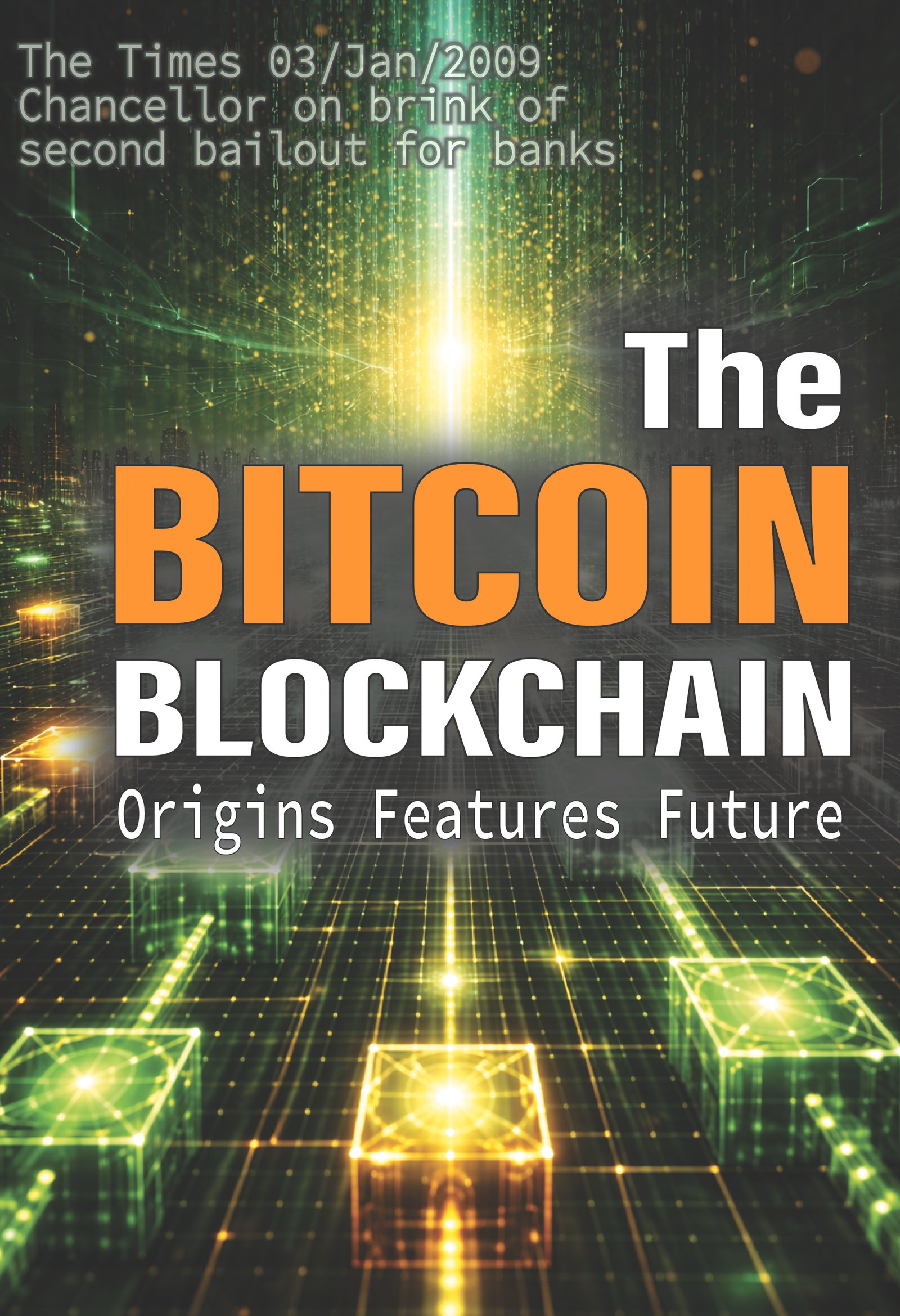
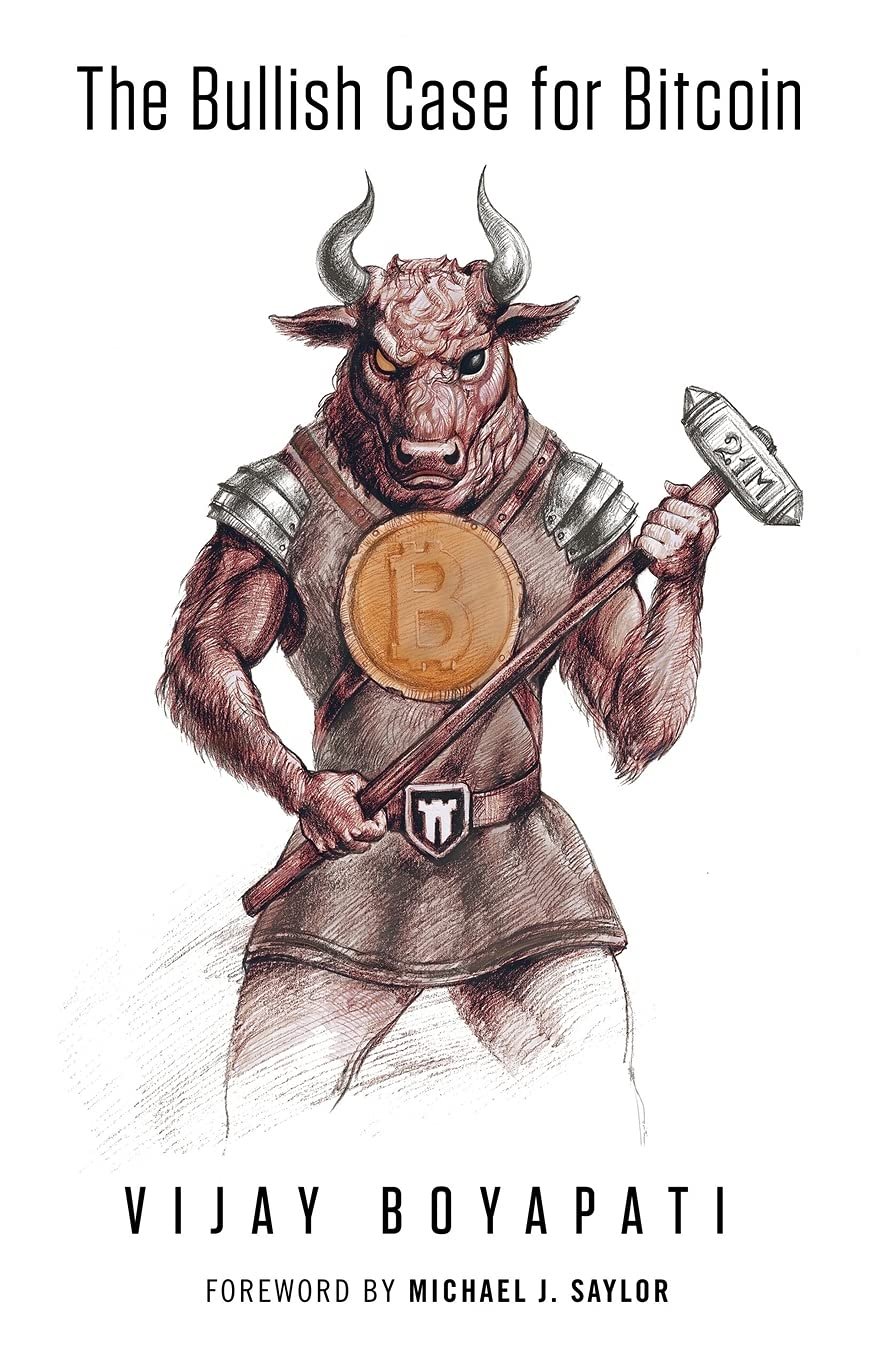
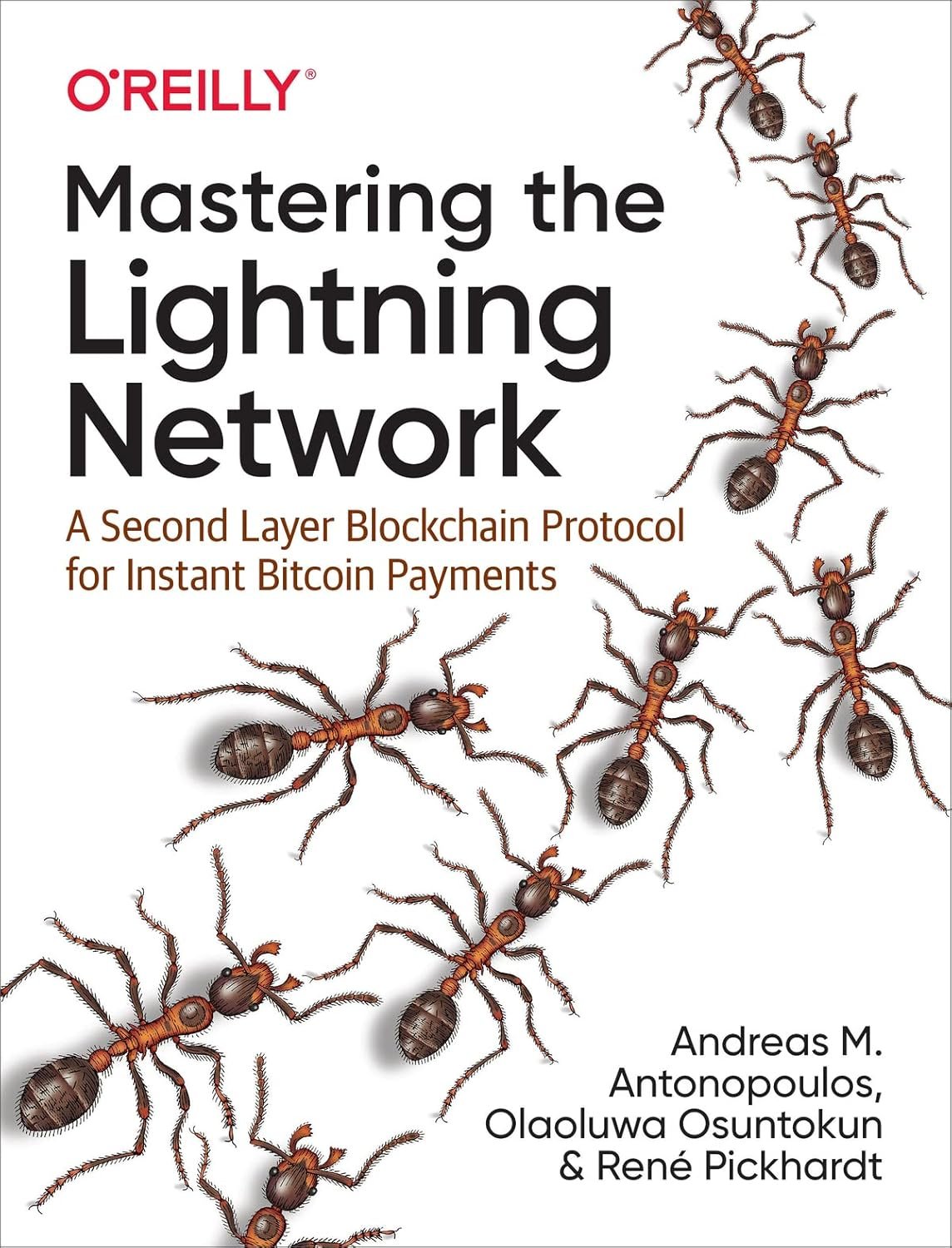
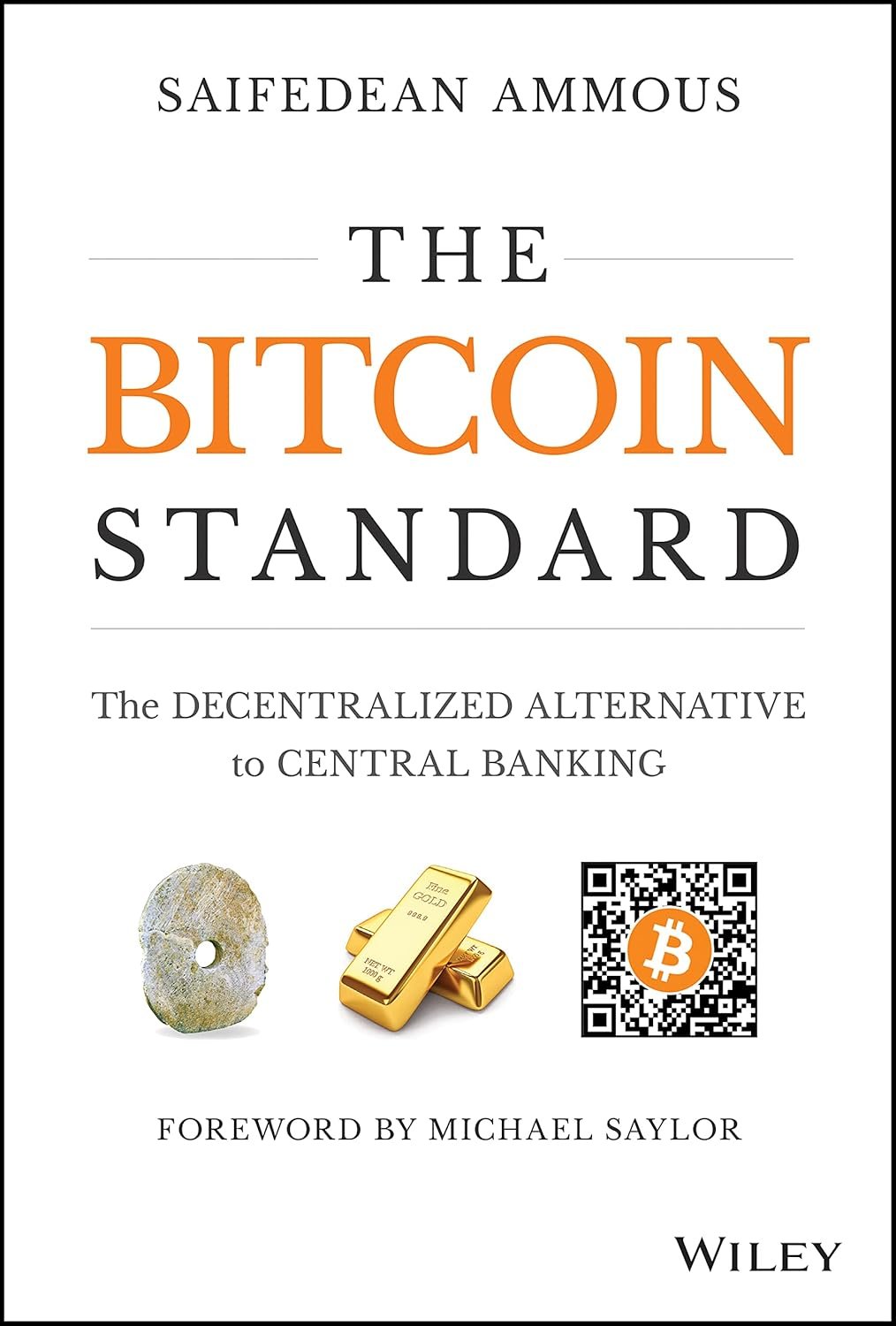
Four books we genuinely recommend. Two are community standards. One is written by one of our own.
The best place to get started is in person with people who have already done it. No judgment, no gatekeeping. Just real answers from people who get it.